




How to Create a Productive Home Office Environment
Creating a productive home office environment is essential for anyone working remotely or running a business from home. A well-organized, comfortable, and inspiring workspace can significantly enhance your focus, motivation, and overall productivity. Whether you have a dedicated room or a small corner, here are some useful tips to help you design a home office that works for you.
Choose the Right Location
The first step is selecting a spot in your home that minimizes distractions and suits your work needs.
– Quiet Area: Pick a space away from high-traffic zones like kitchens or living rooms. This helps reduce noise and interruptions.
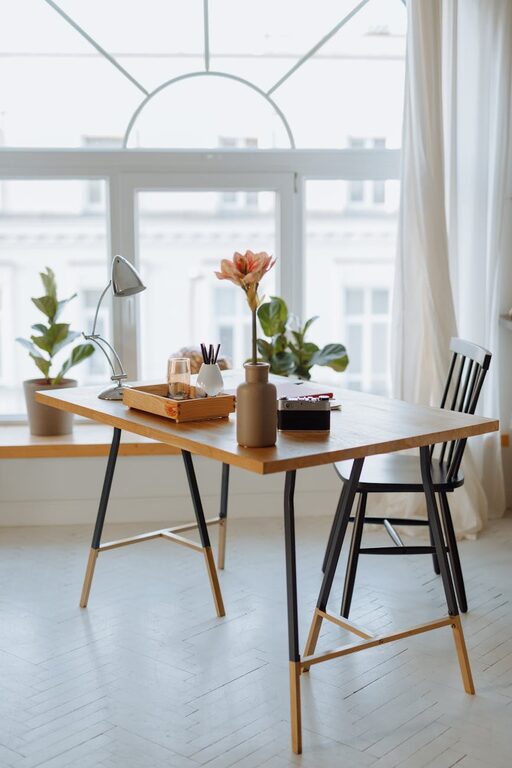
– Natural Light: Whenever possible, choose a location near windows. Natural light can improve mood and energy levels.
– Space for Movement: Ensure there’s enough room for your desk, chair, and a bit of movement. Avoid cramped areas that feel restrictive.
Invest in Comfortable Furniture
Comfort is key to staying productive during long hours.
– Ergonomic Chair: A supportive, adjustable chair prevents back pain and encourages good posture.
– Desk Height: Your desk should allow your arms to rest comfortably, with elbows at about a 90-degree angle.
– Additional Furniture: Consider shelves or filing cabinets to keep essentials within reach and maintain organization.
Organize Your Workspace
A tidy space helps clear the mind and saves time.
– Declutter Regularly: Remove items that aren’t necessary for daily tasks to minimize distractions.
– Use Organizers: Desk trays, drawer dividers, and cable management tools keep everything orderly.
– Digital Organization: Keep your computer desktop and files organized to avoid digital clutter.
Optimize Lighting
Good lighting reduces eye strain and keeps you alert.
– Natural vs Artificial: Use natural light during the day, supplemented by adjustable task lighting.
– Position Lights Wisely: Place lamps so they don’t cast shadows on your work surface.
– Avoid Glare: Position screens to avoid bright reflections.
Set Boundaries and Routines
Creating a routine helps you separate work time from personal time.
– Define Work Hours: Set clear start and end times for your workday.
– Use Physical Boundaries: Close doors or use room dividers to signal when you are working.
– Communicate with Household: Let family or roommates know your schedule to minimize interruptions.
Personalize Your Space
Adding personal touches can increase comfort and motivation.
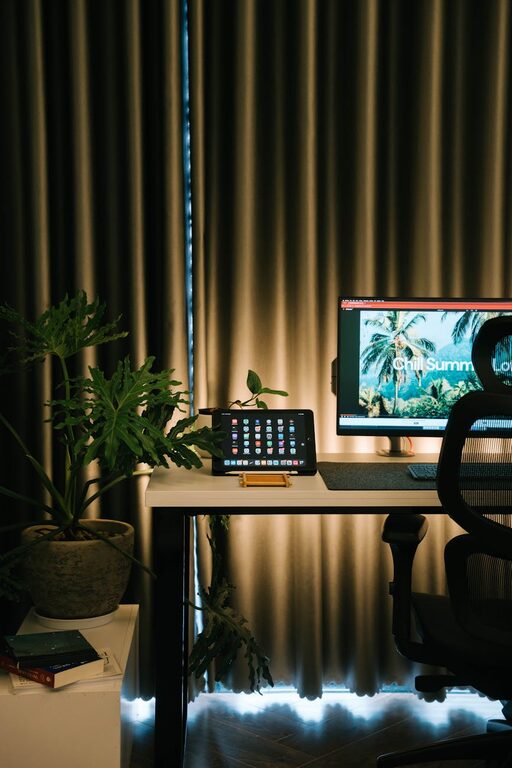
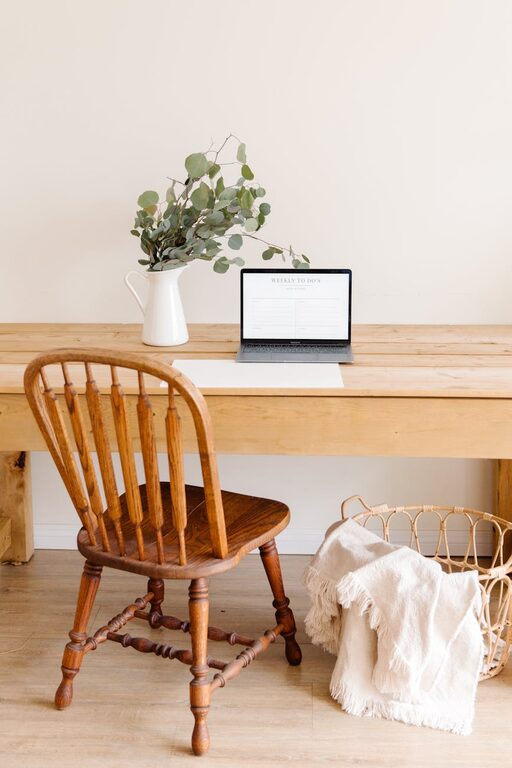
– Decor: Use calming colors, plants, or artwork that inspire you.
– Comfort Items: Keep a water bottle, snacks, or a cozy blanket nearby.
– Minimize Distractions: Avoid items that invite procrastination, like TV remotes or smartphones within easy reach.
Incorporate Technology Wisely
Technology can aid productivity if used appropriately.
– Reliable Equipment: Invest in a good computer, fast internet, and quality accessories like keyboards and mice.
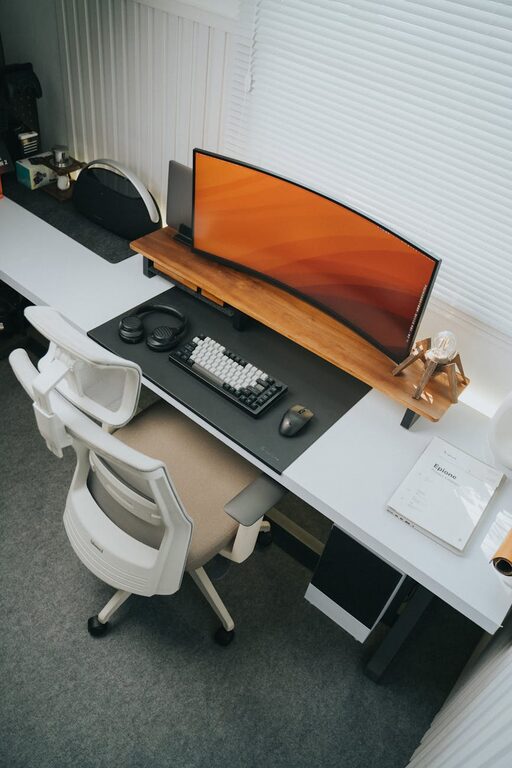
– Headphones: Noise-canceling headphones can help you focus in noisy environments.
– Productivity Tools: Use apps and software for task management, communication, and time tracking.
Encourage Movement and Breaks
Physical health supports mental performance.
– Stretch Regularly: Take short breaks to stretch or walk around every hour.
– Standing Desk Options: Consider a sit-stand desk or use a laptop stand to change your posture.
– Hydrate and Eat Well: Keep water and healthy snacks accessible.
Control Temperature and Air Quality
Comfortable temperature and fresh air keep you focused.
– Adjust Temperature: Use fans, heaters, or air conditioning to maintain a comfortable environment.
– Air Quality: Open windows or use air purifiers to keep the air fresh.
– Plants: Indoor plants can improve air quality and add a touch of nature.
Final Thoughts
Creating a productive home office environment is a blend of thoughtful design, ergonomic comfort, technology use, and personal habits. Tailor your workspace and routine to suit your unique needs and preferences. With the right setup, working from home can be both enjoyable and efficient. Start with small changes and adjust as you find what works best for you.
A well-planned home office is an investment in your productivity and wellbeing—take the time to create a space that helps you do your best work every day.