







Tips for Organizing a Clutter-Free and Efficient Home Workspace
Creating a productive home workspace is key to working efficiently and feeling motivated throughout your day. However, a cluttered or disorganized space can lead to distractions, stress, and lost time. Whether you’re working remotely full-time, freelancing, or just need a dedicated spot for focused tasks, organizing your home workspace can make a big difference.
In this post, we’ll explore practical tips to help you design and maintain a clutter-free and efficient workspace. These steps are easy to implement and can transform your environment into one that supports your best work.
Why Organize Your Home Workspace?
Before diving into the how-to, it’s important to understand why organizing your workspace matters:
– Improves focus and productivity. A neat space reduces distractions and helps you find what you need quickly.
– Reduces stress. Clutter can cause mental overload. A tidy environment promotes calm and clarity.
– Enhances creativity and motivation. An organized area feels more inviting and energizing.
– Saves time. Knowing where everything is means less time spent searching for items.
Now that you know the benefits, let’s explore steps to make your home workspace both clutter-free and efficient.
Step 1: Choose the Right Location
Selecting the optimal spot in your home sets the foundation for an organized workspace.
– Pick a quiet area with minimal distractions.
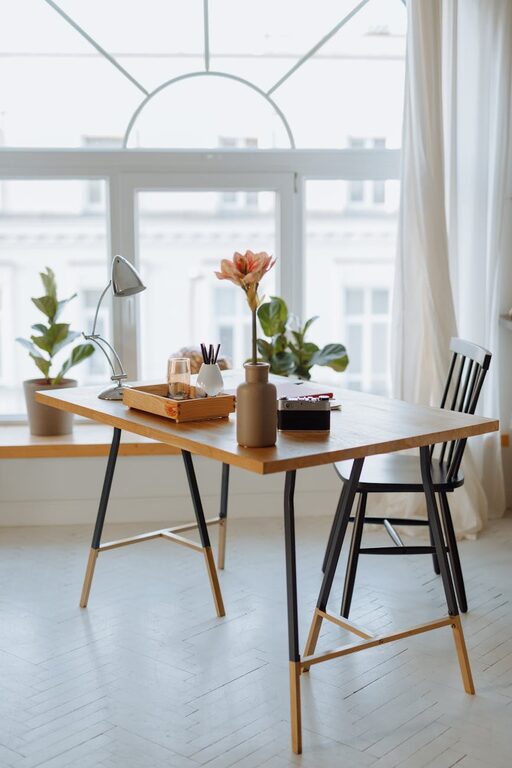
– Ensure there is natural light to improve mood and reduce eye strain.
– Consider proximity to power outlets and internet connections.
– Designate a specific corner or room solely for work to create a mental boundary between work and relaxation.
Step 2: Declutter and Simplify Your Desk
A clear desk surface is essential for productivity.
– Remove everything from your desk and sort into categories: keep, relocate, or discard.
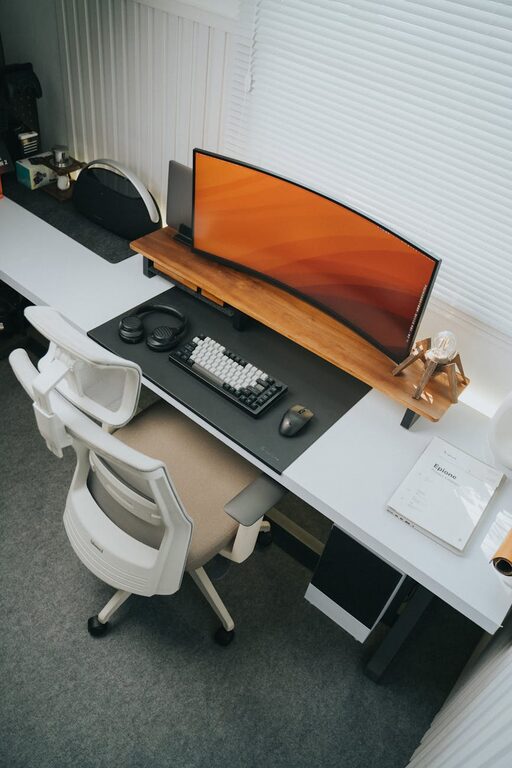
– Only keep essentials on your desk: computer, notepad, pen, and perhaps a small plant or personal item.
– Use desk organizers such as trays, pencil holders, or small bins to group similar items neatly.
Step 3: Maximize Storage with Smart Solutions
Efficient storage prevents clutter buildup and keeps tools accessible.
– Use shelves or wall-mounted organizers to free up desk space.
– Invest in filing cabinets or drawer organizers for documents and supplies.
– Label storage bins or folders to easily find what you need.
– Consider vertical storage options to use available space wisely.
Step 4: Manage Cables and Electronics
Tangled cables and numerous devices can create visual clutter.
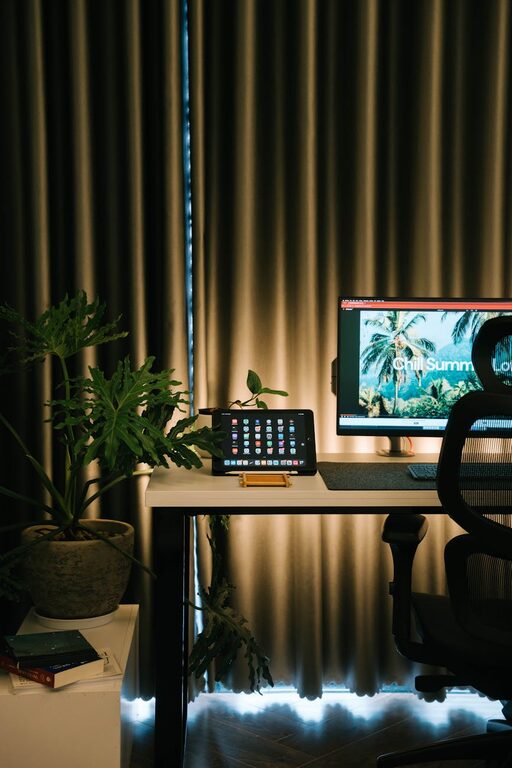
– Use cable clips, ties, or sleeves to bundle and hide cords.
– Position charging stations in a convenient but unobtrusive spot.
– Regularly unplug and remove electronics you don’t use daily.
– Keep frequently used gadgets within reach, others stored away.
Step 5: Organize Digital Files and Tools
An efficient workspace isn’t just physical — your digital environment counts, too.
– Create clear folders and subfolders on your computer for work documents.
– Delete or archive outdated files regularly.
– Use reminders and digital calendars to stay on schedule.
– Limit browser tabs and desktop icons to what you actively need.
Step 6: Establish Daily and Weekly Routines
Maintaining organization requires consistent habits.
– At the end of each workday, tidy your desk and file papers.
– Schedule weekly sessions to deep clean your workspace and organize supplies.
– Regularly review your systems and adjust if something isn’t working.
Step 7: Personalize Without Overcrowding
Adding personal touches makes your workspace inviting but keep it minimal.
– Select a few meaningful or inspiring items like photos, artwork, or decor.
– Avoid overcrowding surfaces with too many objects.
– Use calming colors or accessories that bring joy without distraction.
Bonus Tips for Long-Term Success
– Invest in ergonomic furniture to create a comfortable setup.
– Use task lighting like desk lamps to improve visibility.
– Keep a notebook handy to jot ideas so your desk stays clear.
– Practice mindful organization—ask whether each item supports your work goals.
– Rotate supplies or decorations seasonally to keep the space fresh.
—
Organizing your home workspace is an ongoing process, but starting with these tips will help you build a clutter-free, efficient environment that supports your productivity and well-being. With some planning and commitment, your home office can become a space you look forward to using every day. Happy organizing!