



Tips for Creating a Relaxing Home Office Space to Boost Productivity
Creating a relaxing home office space is essential for maintaining productivity and well-being, especially as more people work remotely. A thoughtfully designed workspace can reduce stress, minimize distractions, and help you focus better. Whether you have a dedicated room or just a small corner, there are plenty of ways to transform your home office into a calm, efficient environment. Here are some helpful tips to guide you through the process.
Choose the Right Location
Selecting the best spot for your home office is the first step. Ideally, choose a quiet area with minimal foot traffic to help limit interruptions. If possible, pick a space with natural light, such as near a window. Natural light not only boosts mood but also helps reduce eye strain.
Consider Privacy and Noise
If your home tends to be busy or noisy, consider adding soundproofing elements like rugs, curtains, or acoustic panels. Noise-cancelling headphones are also a great investment for keeping distractions at bay.
Prioritize Comfort with Ergonomic Furniture
A relaxing home office should include ergonomic furniture designed for comfort during long hours of work.
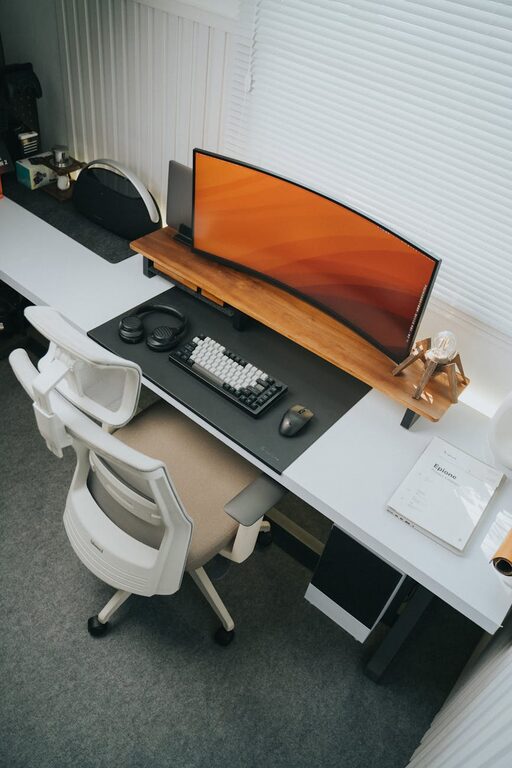
– Desk: Choose a desk that suits your work style and space needs. Adjustable standing desks can offer flexibility to alternate between sitting and standing.
– Chair: Invest in a good ergonomic chair that supports your back and promotes good posture.
– Accessories: Use a keyboard and mouse that prevent wrist strain, and position your computer monitor at eye level to avoid neck discomfort.
Declutter and Organize Your Space
Clutter can cause stress and reduce productivity. Keeping your workspace tidy helps create a calming environment.
– Regularly tidy your desk and limit the number of unnecessary items.
– Use organizers, shelves, or storage boxes to keep documents and supplies in order.
– Consider cable management solutions to reduce messy wires.
Use Calming Colors and Decor
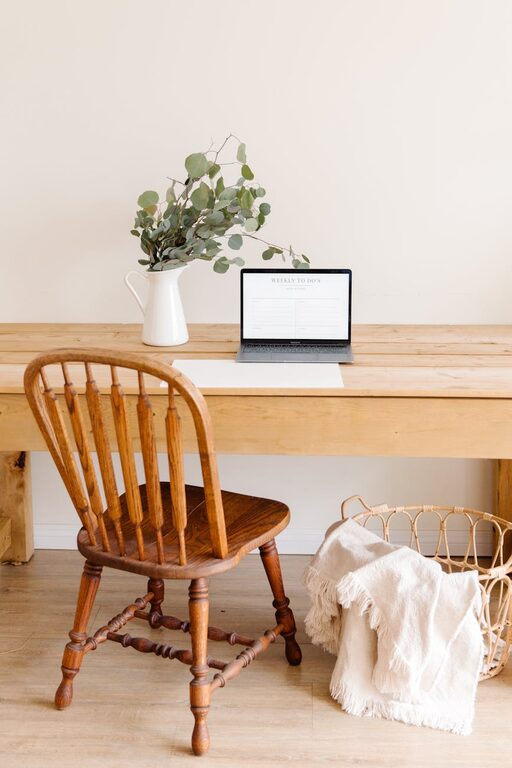
Colors can affect your mood and focus. Soft, neutral tones such as light blues, greens, or beige are known to create a soothing atmosphere.
Add personal touches that inspire you without overwhelming the space, such as:
– Simple artwork with nature themes
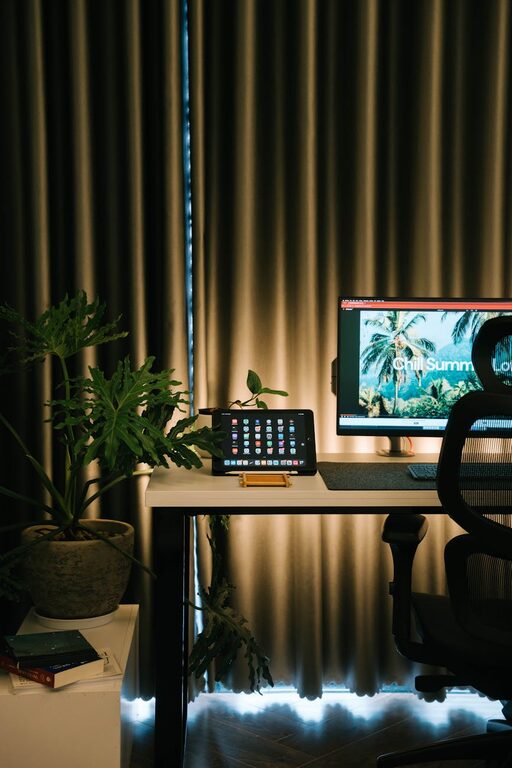
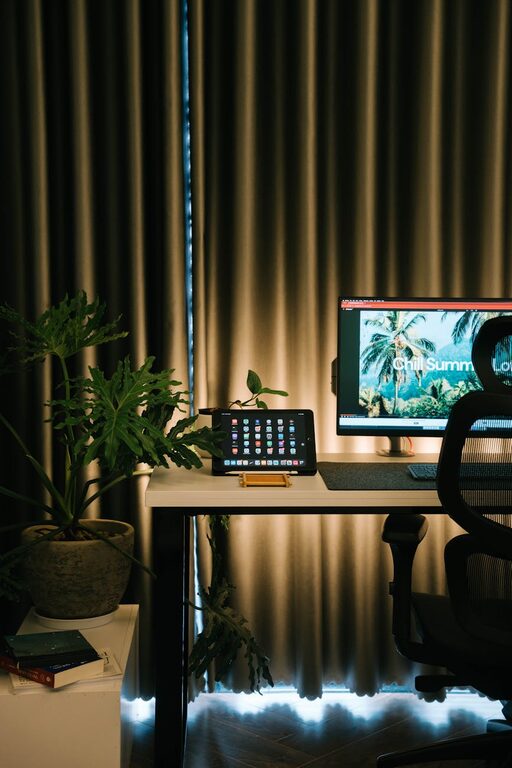
– Indoor plants to improve air quality and add a natural element
– Soft lighting with adjustable brightness to set the right mood
Optimize Lighting
Proper lighting reduces eye strain and promotes wakefulness during work hours.
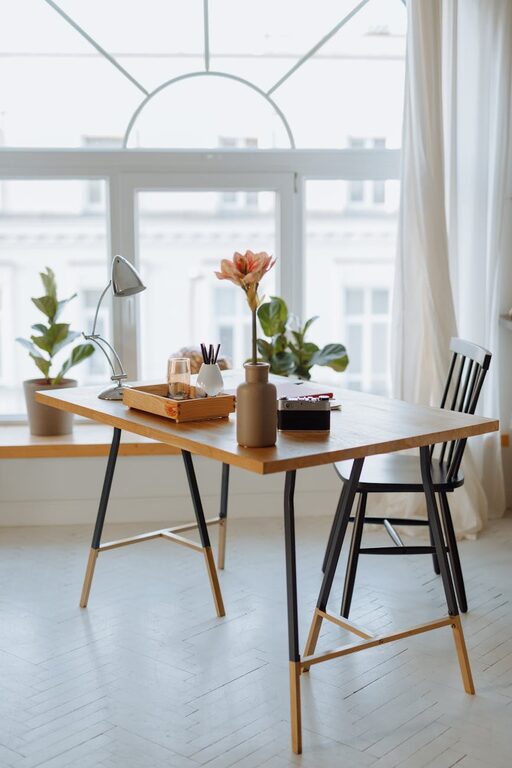
– Maximize natural light by positioning your desk near windows.
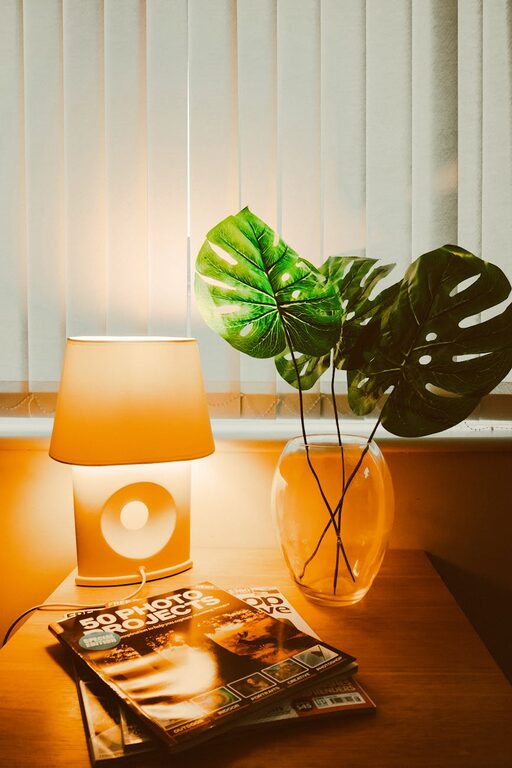
– Use task lighting, such as a desk lamp, to focus on specific tasks.
– Avoid harsh overhead lights that create glare on screens.
– Consider adjustable lighting options to adapt to different times of day.
Incorporate Break Areas and Movement
Taking regular breaks is important for mental clarity and physical health.
– If space allows, create a small area nearby for stretching or relaxation.
– Use a timer or apps to remind yourself to stand up and move every hour.
– Simple exercises or a short walk around your home can refresh your mind.
Minimize Distractions
Keep anything unrelated to work out of sight to maintain focus.
– Turn off notifications from unrelated apps during work hours.
– Use noise-reducing headphones or white noise apps if necessary.
– Set boundaries with household members during work time.
Personalize Your Workspace Wisely
Personal touches can make the space feel welcoming but avoid overcrowding.
– Choose a few favorite photos or inspiring quotes.
– Include items that promote calm, like a small water fountain or essential oil diffuser.
– Keep visuals clean and uncluttered to maintain a peaceful vibe.
Maintain Good Air Quality
Fresh air improves concentration and overall health.
– Open windows regularly to let in fresh air.
– Add air-purifying plants such as snake plants or pothos.
– Ensure your room is well-ventilated and cleaned frequently.
Establish a Routine
A relaxing office is only part of the productivity equation—develop a routine to structure your workday.
– Set regular start and end times for work.
– Schedule breaks and lunchtime away from your desk.
– Create a ritual to mentally transition into and out of work mode, like brewing coffee or a short meditation.
—
By following these tips, you can create a home office space that supports productivity and helps you feel relaxed throughout the day. Your environment has a big impact on your work performance, so taking the time to design a calming, functional workspace is a worthwhile investment. Remember, the goal is to balance comfort with efficiency to make working from home both enjoyable and effective.